
Language
Hanoi’s ban on single-use plastics within Ring Road 1 is not only a pioneering step but also a strong demonstration of its international commitment to combating plastic pollution.
Plastic pollution is one of the most pressing issues, not only in Vietnam but worldwide. According to estimates by the National Plastic Action Partnership (NPAP) in Vietnam, the country generates around 3.7 million tonnes of plastic waste each year. However, only about 0.4 million tonnes—less than 20%—is recycled.
Single-use plastics are the most commonly found items, including plastic straws, cotton swabs, single-use shampoo sachets, and plastic bags. All of these are difficult to recycle and place a heavy burden on both the environment and the economy.
To address this problem, under Decree No. 08/2022 and the Law on Environmental Protection 2020, the Vietnamese Government has set out a roadmap to limit the production and import of single-use plastic products, non-biodegradable plastic packaging, and products containing microplastics.
Specifically, from January 1, 2026, Vietnam will prohibit the production and import of non-biodegradable plastic bags smaller than 50 cm x 50 cm in size and with a single-layer film thickness of less than 50 µm. Furthermore, after December 31, 2030, the Government will require a complete halt to the production and import of single-use plastics, non-biodegradable plastic packaging, and products containing microplastics. At the same time, the production and import of these products will be gradually reduced leading up to that date.
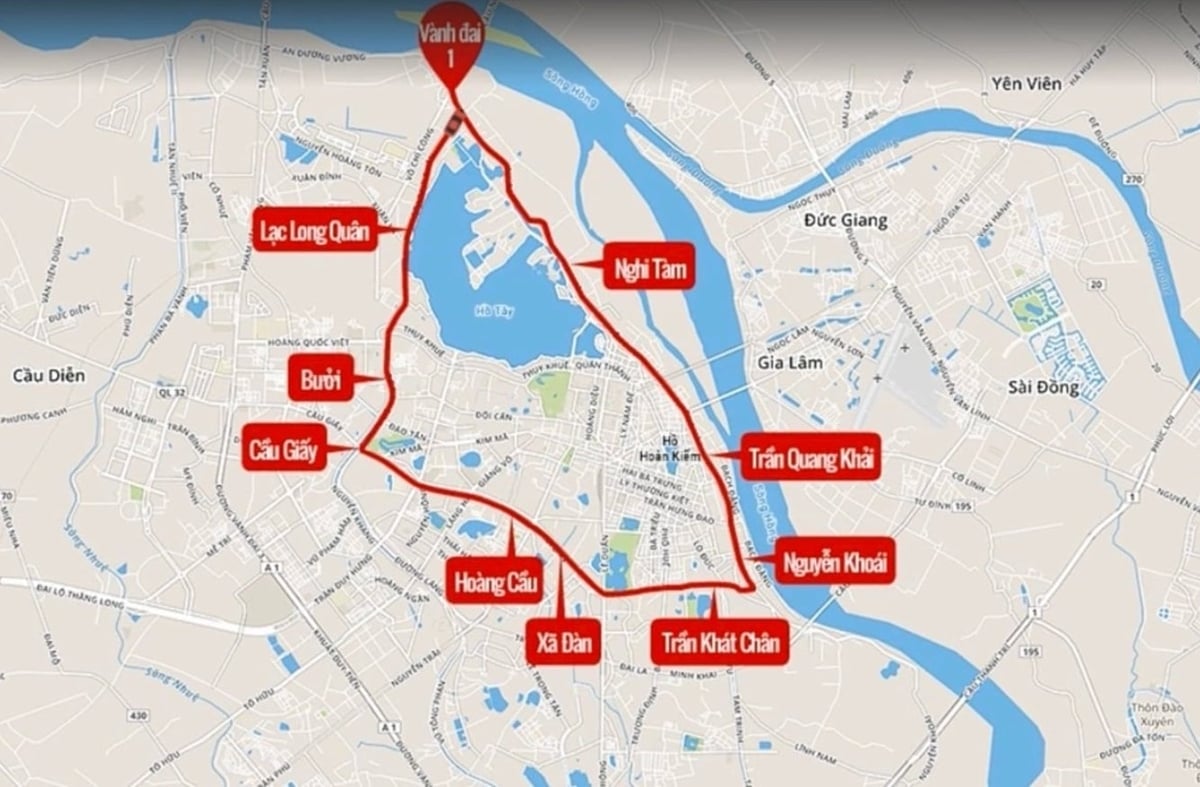
Image of Hanoi’s Ring Road 1. Graphic: Tran Tien Thanh.
In addition, the Government has issued Decree No. 45/2022/NĐ-CP on administrative penalties in the field of environmental protection, effective from August 25, 2022; Decision No. 1746/QĐ-TTg on the National Action Plan for the management of ocean plastic waste through 2030; and the Project on Strengthening Plastic Waste Management in Vietnam (Decision No. 1316/QĐ-TTg).
“It is clear that Vietnam has prepared a roadmap to reduce single-use plastics, and Hanoi is implementing this regulation ahead of schedule. In my opinion, this is a commendable move,” said Hoang Thanh Vinh, Programme Officer for Waste and Circular Economy at UNDP Vietnam.
Although the Government has already set a roadmap to transition away from the “addiction” to single-use plastics, any change will inevitably have an impact.
According to Mr. Vinh, the regulation banning single-use plastics in Hanoi may be received in two different ways. The first will come from supporters—mainly large businesses and hotels—which have already prepared and set their green transition plans. As such, when the regulation takes effect, they are unlikely to face difficulties or experience a “shock” from the change. Instead, they may even leverage the regulation to promote their establishments.
However, the main concerns lie with the second group—small and medium-sized enterprises, especially microbusinesses and household traders. After COVID-19, fast delivery and fast consumption trends have become more popular. As a result, the ban on single-use plastic products is certain to cause uncertainty and hesitation among this group.

Hoang Thanh Vinh, Programme Officer for Waste and Circular Economy at UNDP Vietnam. Photo: UNDP Vietnam
From a professional standpoint, Mr. Vinh explained that when banning a product, it is crucial to ensure the availability of alternatives. In reality, Vietnam already has eco-friendly products that can replace single-use plastics. However, these alternatives often cost two to four times more. Therefore, local authorities need to provide clear guidelines to support small and medium-sized enterprises in making the transition, ensuring the process is smooth and equitable.
Citing an example from India, Mr. Vinh noted that the authorities there issued detailed guidance immediately after introducing a single-use plastics ban. This guidance included a list of alternative products, reference prices, and was widely disseminated so that both the public and businesses could access and understand the information.
Drawing from that experience, he suggested that Hanoi should soon issue clear, easy-to-understand, and well-referenced guidelines for businesses.
“When there is an official reference from the authorities, both businesses and the public will feel more assured. And when they are confident, they will comply with the regulation more effectively,” he said.
In the early phase of implementation, the city government could combine inspections, reminders, strong communication campaigns, and public recognition for well-performing establishments. Mobilizing support from international organizations would also help reduce transition costs for vulnerable groups.
Moreover, communication and awareness-raising are key to changing consumption habits. When people know that within Ring Road 1 there are no single-use plastics, they will naturally adjust their purchasing behavior. As demand decreases, supply will adjust accordingly, creating a comprehensive shift away from single-use plastic products.
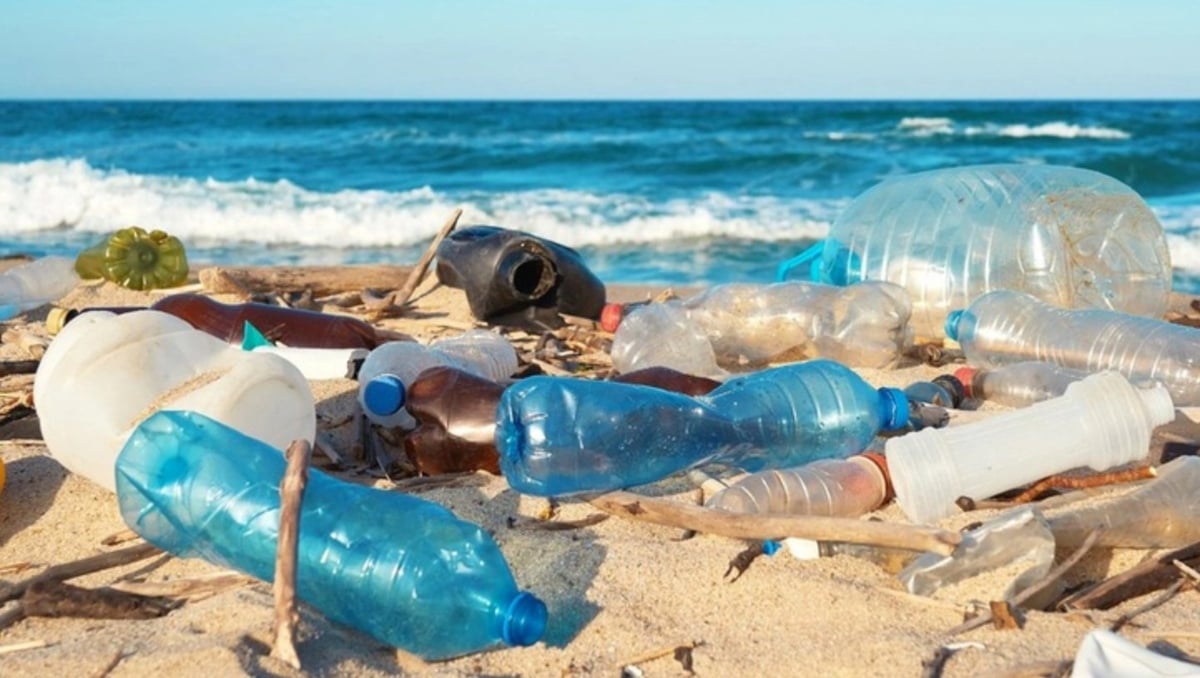
Single-use plastics are the most commonly found items when plastic waste is discarded into the environment. Photo: UNDP.
Hanoi—the political and administrative center of the country—taking the lead in issuing and implementing a single-use plastics ban not only carries domestic environmental significance but also demonstrates Vietnam’s strong commitment to the international community. As Vietnam prepares to take part in the INC 5.2 round of negotiations on the Global Plastics Treaty in Geneva, Switzerland this August, the regulation is seen as “a strong statement” of the country’s determination.
Mr. Hoang Thanh Vinh emphasized: “In negotiations, what matters is not only a country’s position but also concrete evidence. When Vietnam adopts specific policies accompanied by clear actions—such as the single-use plastics ban in Hanoi—it strengthens the weight and persuasiveness of Vietnam’s proposals at the negotiating table.”
In reality, some countries—including those with large plastic industries—remain cautious or opposed to binding provisions in the global plastics treaty, citing reasons such as protecting domestic consumer rights and manufacturing. In this context, a developing country like Vietnam taking bold steps, despite the challenges, demonstrates a clear sense of responsibility and goodwill toward international cooperation.
“This policy is a signal to the global community that Vietnam is not only making commitments but is also implementing them. This will help shape Vietnam’s standing and role as an active, vocal, and reliable partner in global environmental processes,” he added.
Source: Minh Hanh – Agriculture and Environment Newspaper.

A sustainable packaging advance for direct food contact, PureNil 0, is water-soluble and can be recycled with paper or safely flushed down the drain. Image: SmartSolve. SmartSolve introduced PureNil 0, a flexible packaging material that the company reports to be the world’s first 100% bio-based and flushable substrate. The fast-dissolving, water-soluble flexible packaging material is […]


“Sustainable travel” might seem like a contradiction in terms, but it doesn’t have to be. Of course, any conference convening international experts will come with a carbon emissions impact, but before you head out, consider using these nine sustainable travel tips. From local waste bins to sustainable lodging habits, let’s look at ways we can […]

The PepsiCo Foundation funded the project ‘New Harvest: Sustainable Agriculture Initiative’, focusing on regenerative agriculture and climate change. On the sidelines of the bilateral negotiations on Vietnam-U.S. countertrade held from November 10–14 in Washington D.C., the PepsiCo Foundation, the Vietnam Partnership for Sustainable Agriculture (PSAV), the National Agricultural Extension Center (NAEC), and CARE signed a Memorandum […]
ABSTRACT Extended Producer Responsibility (EPR) represents a critical policy instrument for enhancing waste management systems. While Vietnam has initiated a transition from a discretionary to a mandatory EPR framework, significant challenges persist in the effective monitoring and evaluation of compliance by producers and importers; therefore, this study seeks to develop strategic policy recommendations aimed at […]

Discover the latest sustainable materials revolutionizing packaging circularity and improving environmental impact. Led by the “Reduce, Reuse, Recycle” mantra, the packaging industry is always in search of new ways to do better for the environment, whether it’s through the use of reduced reliance on eco-complicated materials, an increased adoption of recycled materials, or by exploring […]


